Skip to content
French Microlight Federation Member
Home
Flying Entry to the Flying section

Fly

What is microlighting?Where to fly?Licence and insuranceMedicalHandivolMechanics

Become a pilot

The pilot certificateMicrolight examTrainingTrial flight

Regulations

Regulatory documentsAirspacePlan your flightsAirfieldsOPS ULM — order of 17/02/25

Federation support

Support for young peopleThe BIAGrants
Instruction Entry to the Instruction section

Network

Clubs and schoolsInstructors

Instructors

Microlight instructor trainingList of instructors by départementKnowledge refresherThe teaching programmeTeaching and technical sheets
Sport
Safety Entry to the Safety section

Prevention

DirectivesParachutesFederation prevention

Safety reports

REX — submit and browseFlight Safety BulletinReturn to Flying (REV)ECCAIRSCSV flight safety officersList of REX reports

Alerts

Safety news

Files and quizzes

Good practice
News Entry to the News section

Read

Federation newsULM Info — the magazineClub and school life

Calendar

EventsSubmit an eventFederation events

Media

Documents to downloadPractical guides

Stay informed

Frequently asked questions
The Federation Entry to the Federation section

The institution

Elected membersThe divisionsRegional committeesThe DTNEthics and professional conductSafeguarding in microlightingThe federation in figuresOfficial textsGeneral Assembly

Federation events

The Youth Microlight Tour (Tour ULM Jeunes)Microlight World ChampionshipsFesti'ULM

Join us

RecruitmentContactReport
Site map

FlyingFlying

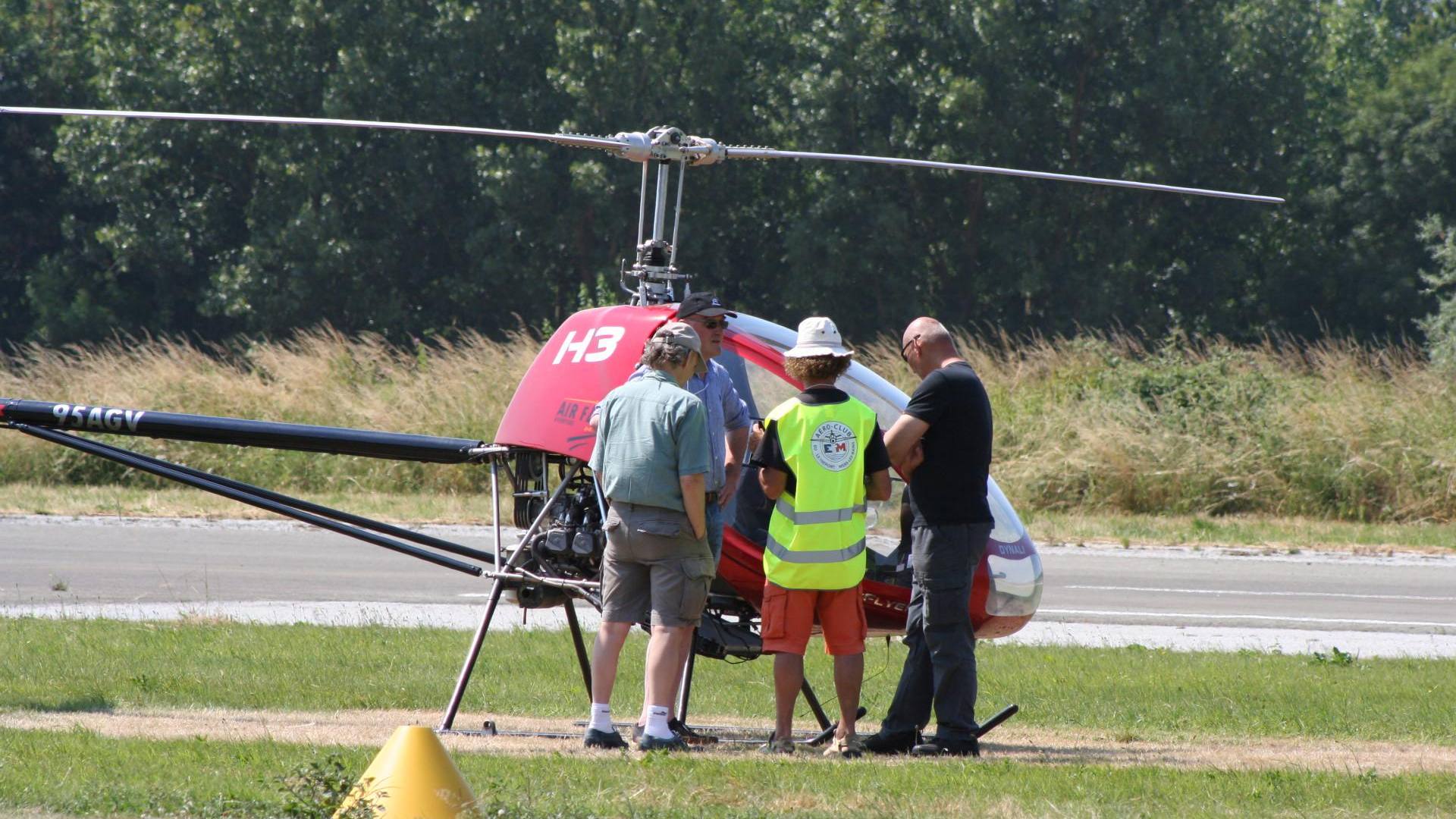
Class 6, the ultralight helicopter

The most recent of the six microlight classes: a light single-engine helicopter, accessible with the microlight pilot certificate.

Flying

The most recent of the six microlight classes: a light single-engine helicopter, accessible with the microlight pilot certificate.

Class 6, the ultralight helicopter

An ultralight helicopter meets the following technical conditions:

  • Single-engine aircraft whose maximum power is less than or equal to 116 hp for single-seaters and 143 hp for two-seaters.
  • The maximum mass is less than or equal to 330 kg for a single-seater and 500 kg for a two-seater; these masses may be increased by 15 kg for a single-seat ultralight helicopter fitted with a rescue parachute or by 25 kg for a two-seat ultralight helicopter fitted with a rescue parachute, and by 30 kg for a single-seat ultralight helicopter intended to be operated on water or by 45 kg for a two-seat ultralight helicopter intended to be operated on water.
  • The rotor loading at maximum weight is between 8 and 20 kg/m².

The six microlight classes

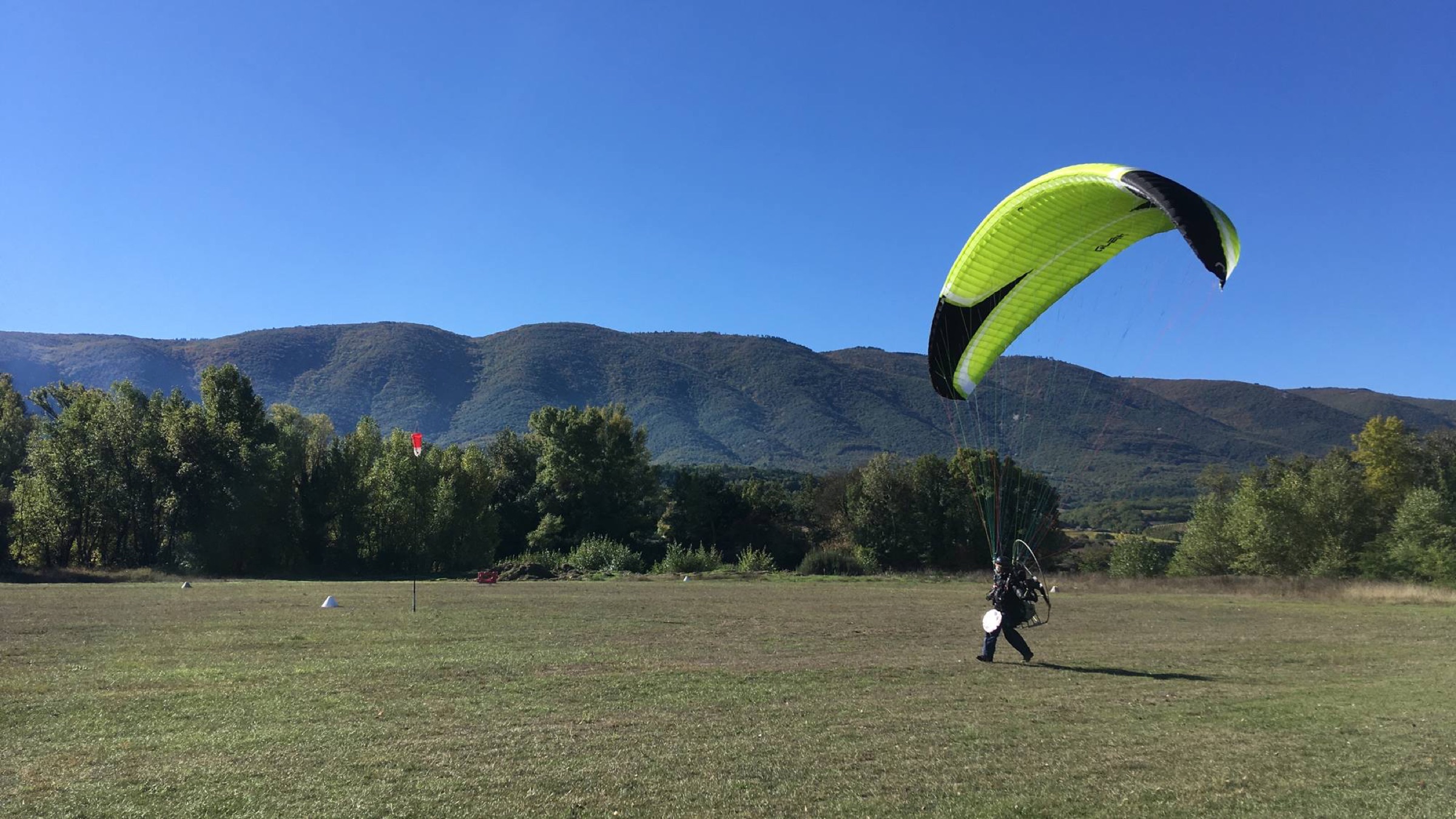
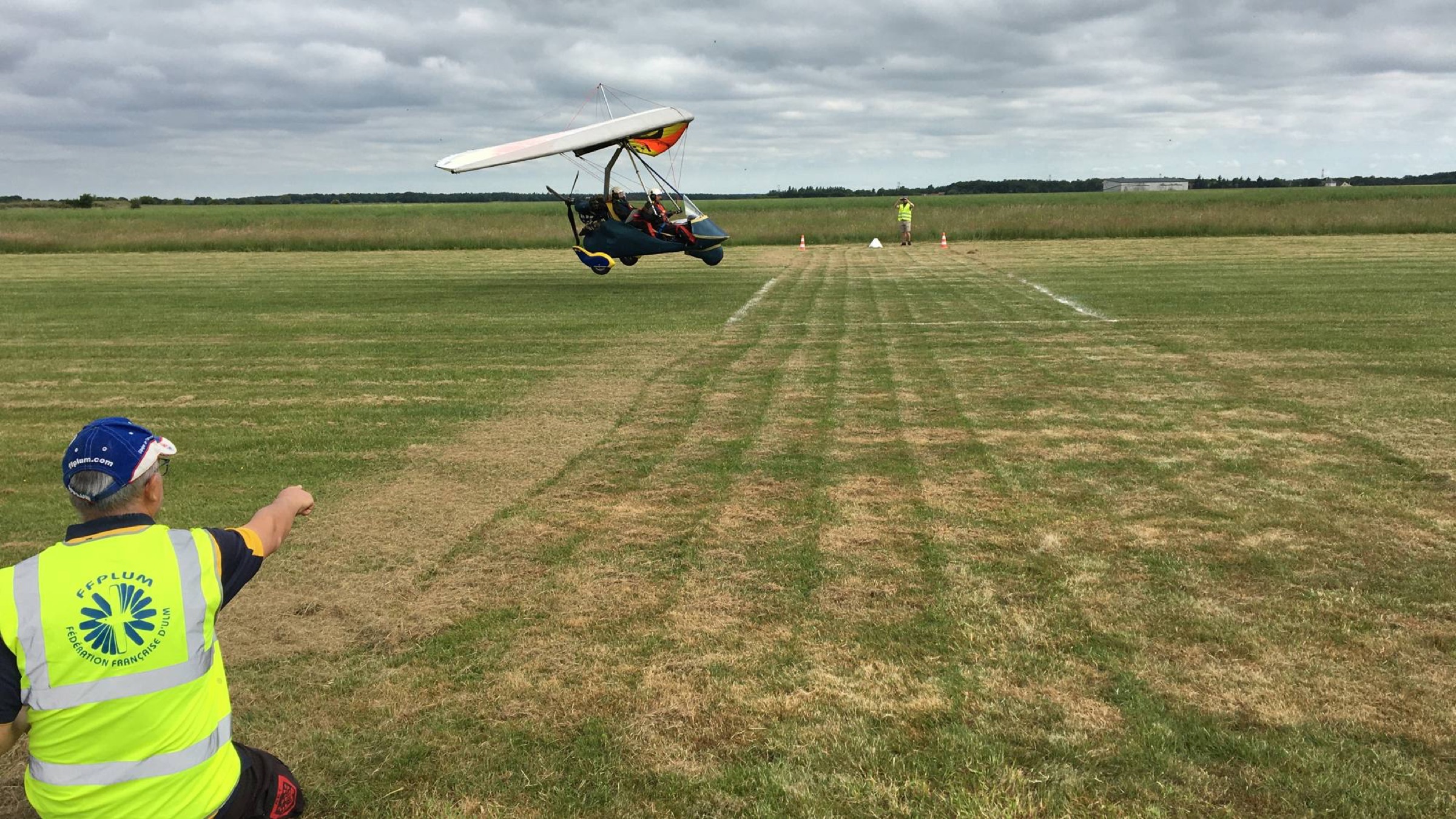
Microlights are divided into six classes according to how they are supported in the air: the paramotor (class 1), the weight-shift microlight (class 2), the three-axis microlight (class 3), the gyroplane (class 4), the ultralight aerostat (class 5) and the ultralight helicopter (class 6). Each class has its own downloadable technical sheet.

Flying a microlight helicopter

Flying an ultralight helicopter requires specific training with an instructor qualified for class 6. The list of clubs and schools offering this training is available on the club map.

Class 6, the ultralight helicopter

Documents

  • imageonline co whitebackgroundremoved 2Download
Federation office

A question on this subject?

The federation office answers members, clubs and schools, and the press. The easiest way is the contact form.

Contact us

They support the federation

All our partners
  • Ministry of Ecological Transition
  • DGAC
  • Ministry of Sport and the Olympic Games
  • National Sports Agency
  • CNFAS
  • FAI
  • Aéro-Club de France
  • CNOSF
  • EMF
  • Air and Space Museum